
You have a great product and you know the brand you want to build around it.
You’ve invested time and effort into developing your product. You know its value, the impact it has and the people you want to serve. Yet expressing this into a brand and packaging design that builds brand reputation, attract the right consumer and generates repeat sales, is deemed challenging.
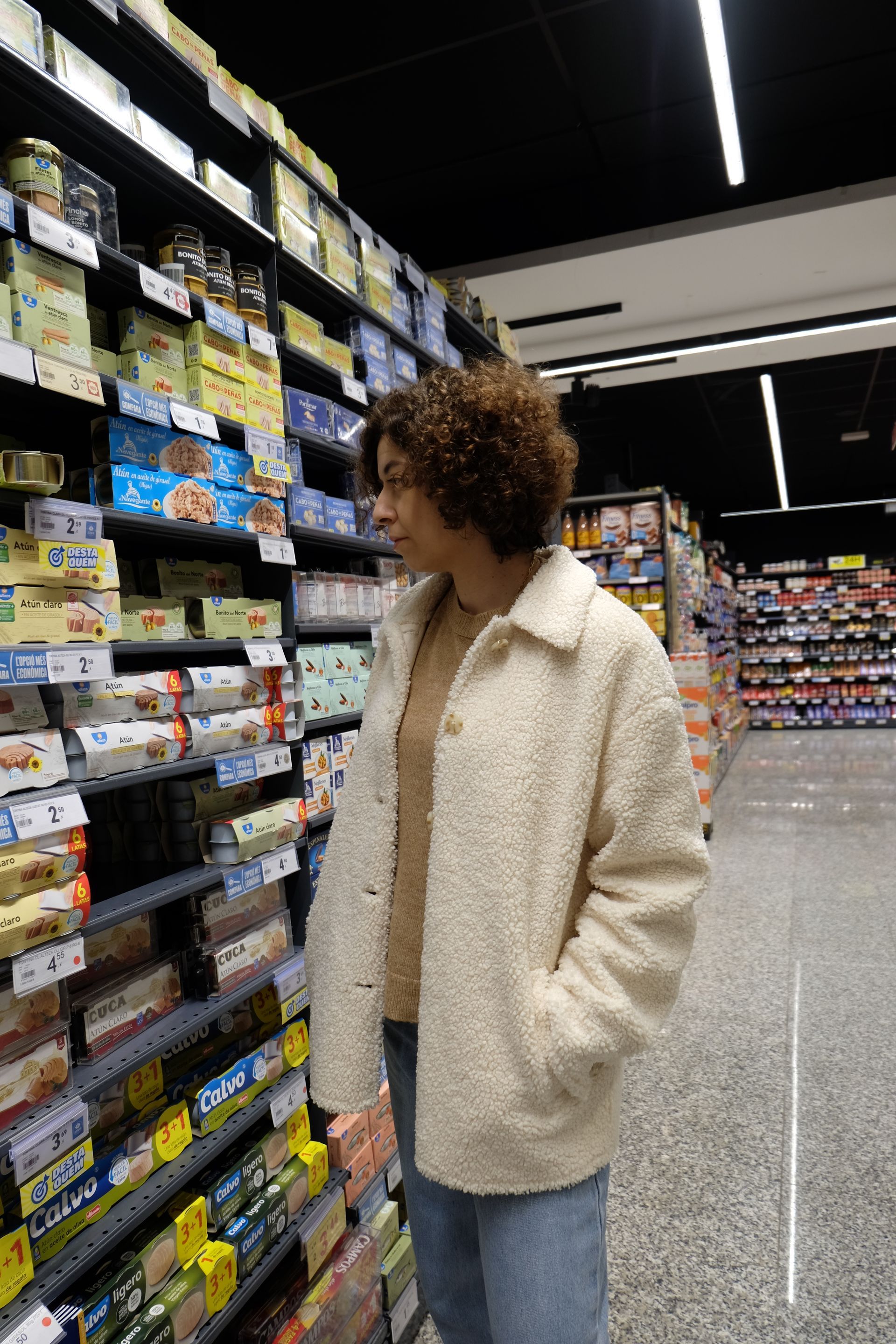
That's why I start all design projects with the Rooted Strategy.
It's a two-week strategy process that is focused, simple and highly practical in laying the foundation for your brand, making sure it communicates effectively with the right audience and turning them into long term loyalists.
By the end, we will know how to use everything we know about your brand, your competitors, you industry, and your consumers, to create two clear propositions for art direction that will help bring your product design to life. It will help you settle on a concept that is beyond surface level, with an objective approach that relies less on personal taste and more on strategy that helps you achieve your business goals.
You may have read multiple brand strategy books, listened to the podcasts, or downloaded the Notion template with strategy questions, yet your brand framework still feels unfinished.
There is not doubt that you know your business and industry very well, but the truth is, putting it all in a simple and usable brand playbook is challenging. Without having a clear process and effective tools to move through all the factors related to your business, and without the support of an outside perspective, you may not achieve a brand that has resonance, meaning and longevity.
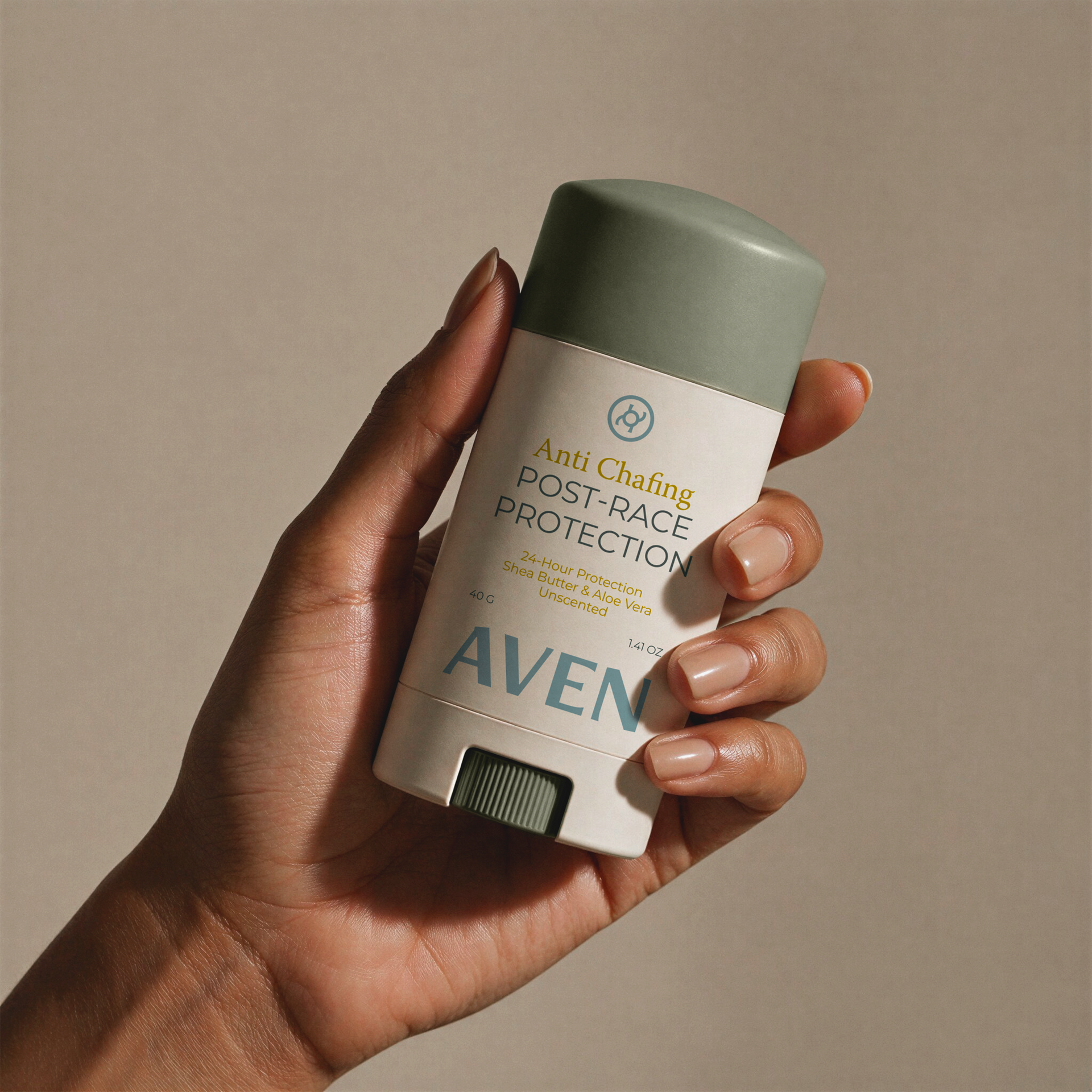
It's a is a two-week brand strategy process.
Where we move through discovery, research, and co-creative workshops to shape a clear foundation for your brand. You will have a complete strategy playbook, two clear propositions for art direction, and the clarity needed to design packaging that is intentional, objective, and beyond surface level, rather than relying purely on instinct or personal taste.
The Rooted Strategy is built around a set of key questions.
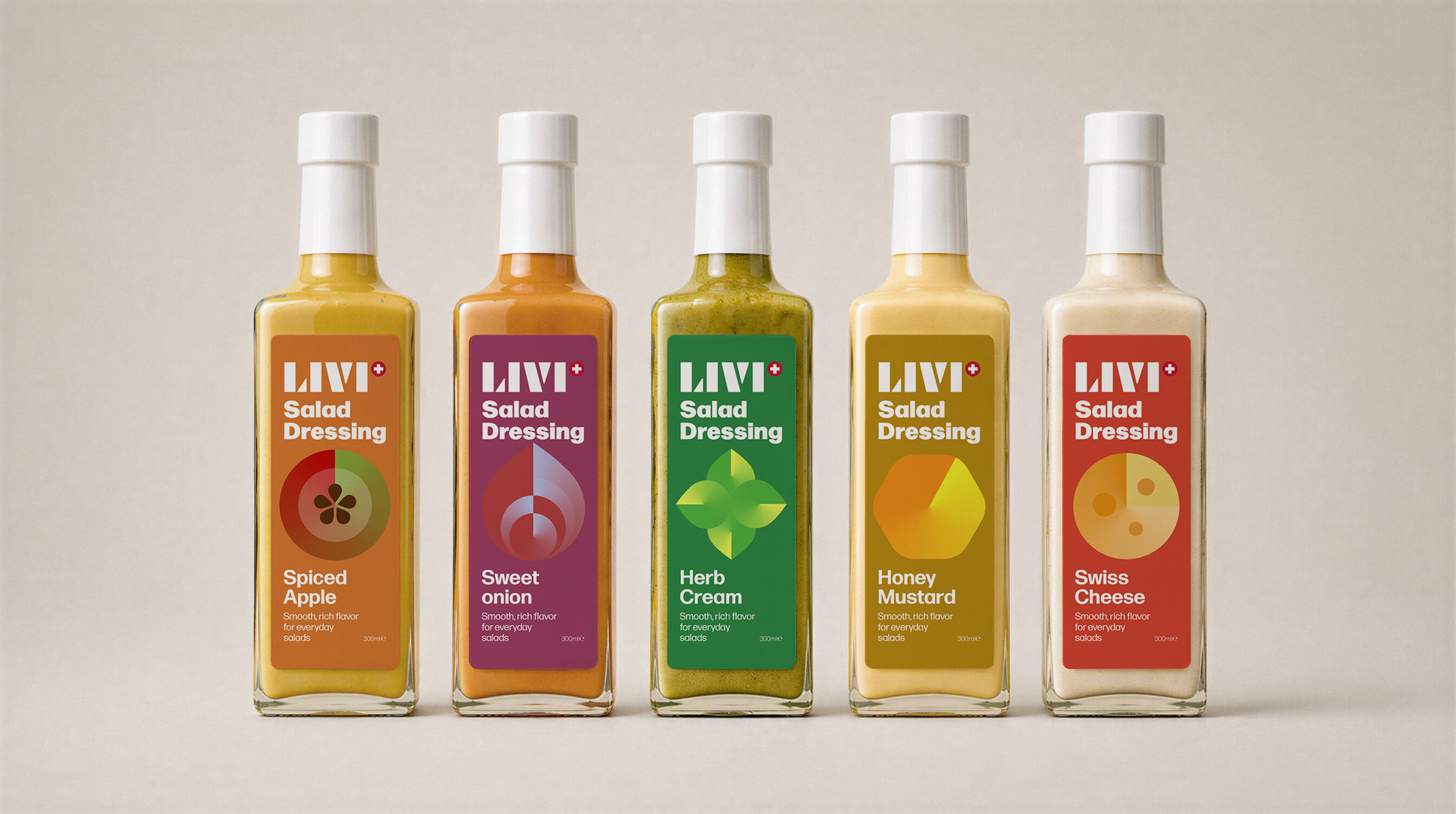
How consumers should perceive your brand and product on the shelf?
Why would they pick your product?
Why would consumers trust it?
Who exactly is your product for?
What makes it different?
How should it look and feel?
process
Answering these questions takes five deliberate phases over two weeks.
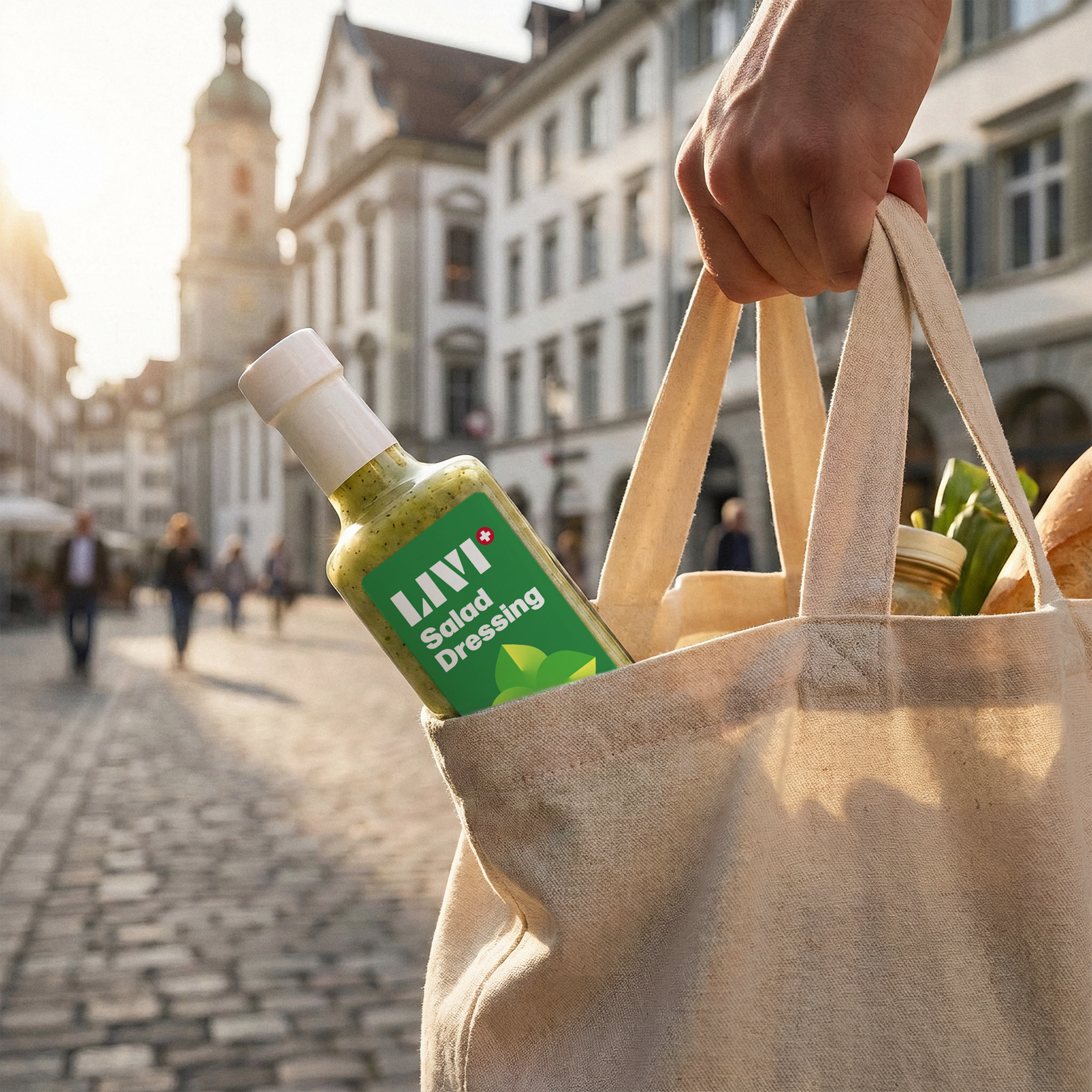
The Deliverables
With the Rooted Strategy, you'll receive:
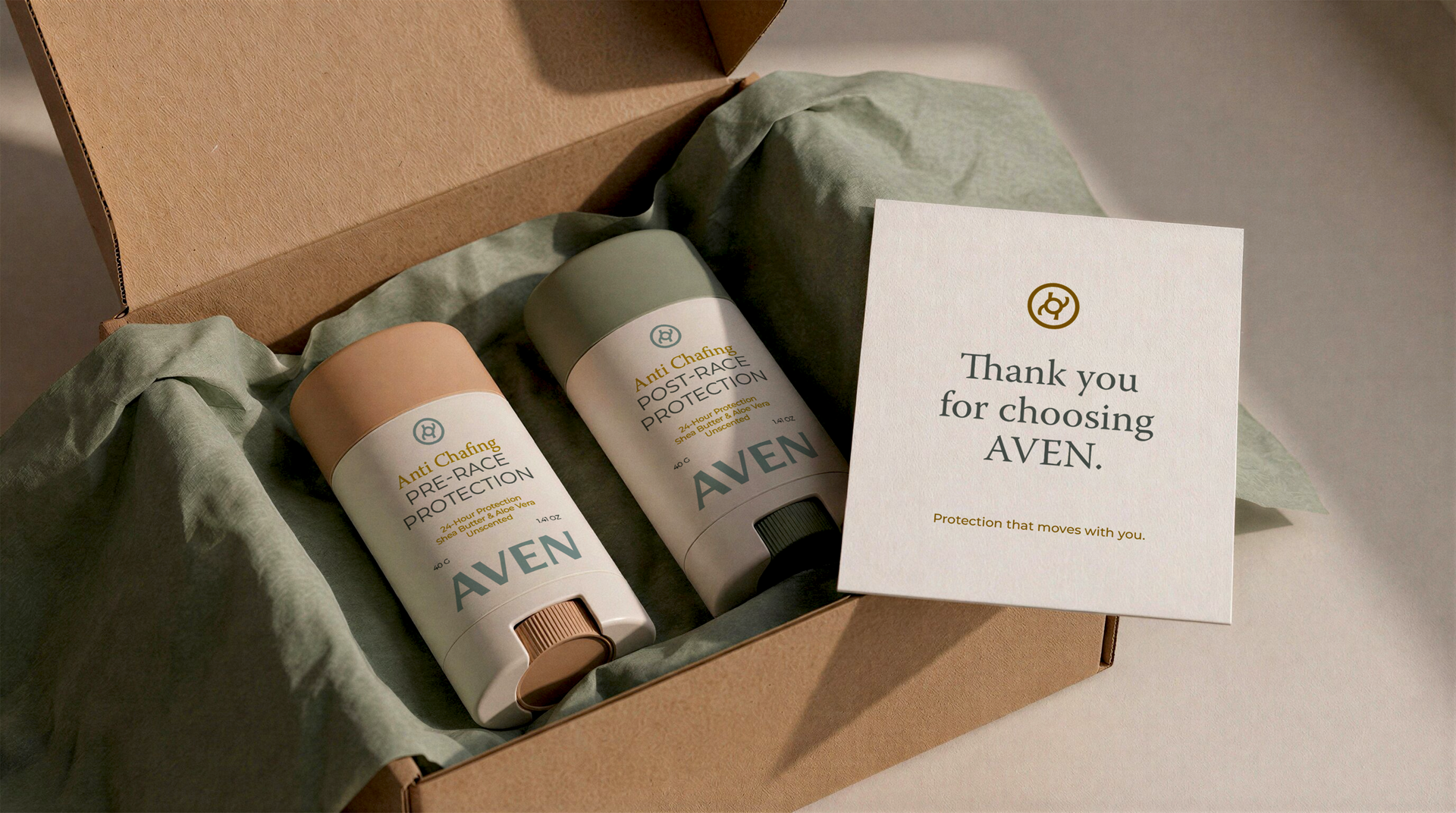
Two Propositions of Art Direction Concepts: Based on everything we uncover, I present to you two design art directions that will bring your brand story and your product proposition into a brand and packaging design that will align with your consumers, communicate its value, and guarantee longevity.
Brand Playbook: A concise resource that you can share with other team members, stakeholders, or anyone who you want to fully understand your brand, its purpose, what it's here to achieve, and how should it be presented visually and tonally.
One Page Brand Strategy: a short and simple resource that highlights that an effective brand strategy doesn't have to be complicated. This is an extra resource you can use to quickly review the key points that the Brand Playbook covers.
Two Live Sessions: Two 90-minute workshops, one at the start for discovery, and one at the end for co-creating clarity, where we work through your brand together and align on everything before the final strategy sign-off.
who is it for
The Rooted Strategy is for you if:
You want to create a brand and packaging design that is based on your business goals, from building a solid reputation, to attracting the right consumers, and move your product to generate sales.
You want to avoid the risk of having to redo the branding if done wrong, and the cost it involves. You prefer to invest now on a clear strategy that guarantees the art direction chosen for your brand and product is not relying on trends and aesthetics. Instead, you want a design that builds a brand that has resonance, meaning and longevity.
You want your product to be designed with a clear positioning lens so that it can be easily recognized within the category it belongs to without creating a design that matches the sea of sameness often seen on shelves.
BENEFITS & OUTCOMES
With the Rooted Strategy you gain
01 Investment Protection
By avoiding the cost of doing it twice. You save your money and time when investing in clear and usable strategy before design, avoiding the need to rework, reposition, or redo your brand six months later.
02 Repeat Sales
As consumers experiences your brand consistently across every touchpoint, you build advocacy and resonance.
03 Design Direction
Instead of depending on objective opinions or personal tastes and aesthetics, your art direction will be based on what your business needs and what consumers are expecting.
The Rooted Strategy is the investment that protects every investment that follows.
ABOUT ME
I'm Noor Adel
Welcome to NOAD Design. I’m glad you’re here.
Living across places shaped how I see the world, making me attentive to meaning in the details and in how things are made and experienced.
My path into design wasn’t linear. I moved through literature, culinary arts, aviation, and different cultures. Born in Qatar and raised in Jordan, I spent several years working in the UAE and now live between Barcelona and Amman.
Two years ago, I left my job, moved countries, and started my own design practice. I wanted to build a life where curiosity, creativity, and freedom could guide what I do.
Through NOAD Design, I work with founders building thoughtful product brands in food, wellness, and lifestyle, shaping identities grounded in story, relevant to their moment, and ready to live in the real world.